
Skin under a beard is in a different environment from skin that is shaved, and most beard-specific problems follow from that environment rather than from the hair itself.
The beard creates its own microclimate
Dense hair traps a layer of warm, humid air against the skin, holding both moisture from the skin and moisture from breathing, eating and washing.
Temperature at the surface rises slightly, and evaporation slows, so the outer skin layer stays damper than it would on an exposed face.
That combination changes which organisms grow comfortably on the surface, since the resident populations on skin respond to humidity and warmth.
Cleansing becomes indirect
Washing a bearded face mostly cleans the hair. Product and water reach the skin unevenly, particularly at the roots of a dense or coarse beard.
Sebum continues to be produced by follicles that are now more numerous and more active, and much of it stays trapped along the hair rather than reaching open air.
The combination of retained oil and incomplete rinsing is the usual origin of beard itch and of the flaking commonly mistaken for dry skin.
Hair draws moisture from the skin
The hair itself is porous and absorbs water readily, competing with the skin surface for available moisture during and after washing.
Shampoos formulated for scalp hair are often too stripping for facial skin, which is thinner and more exposed than the scalp beneath a full head of hair.
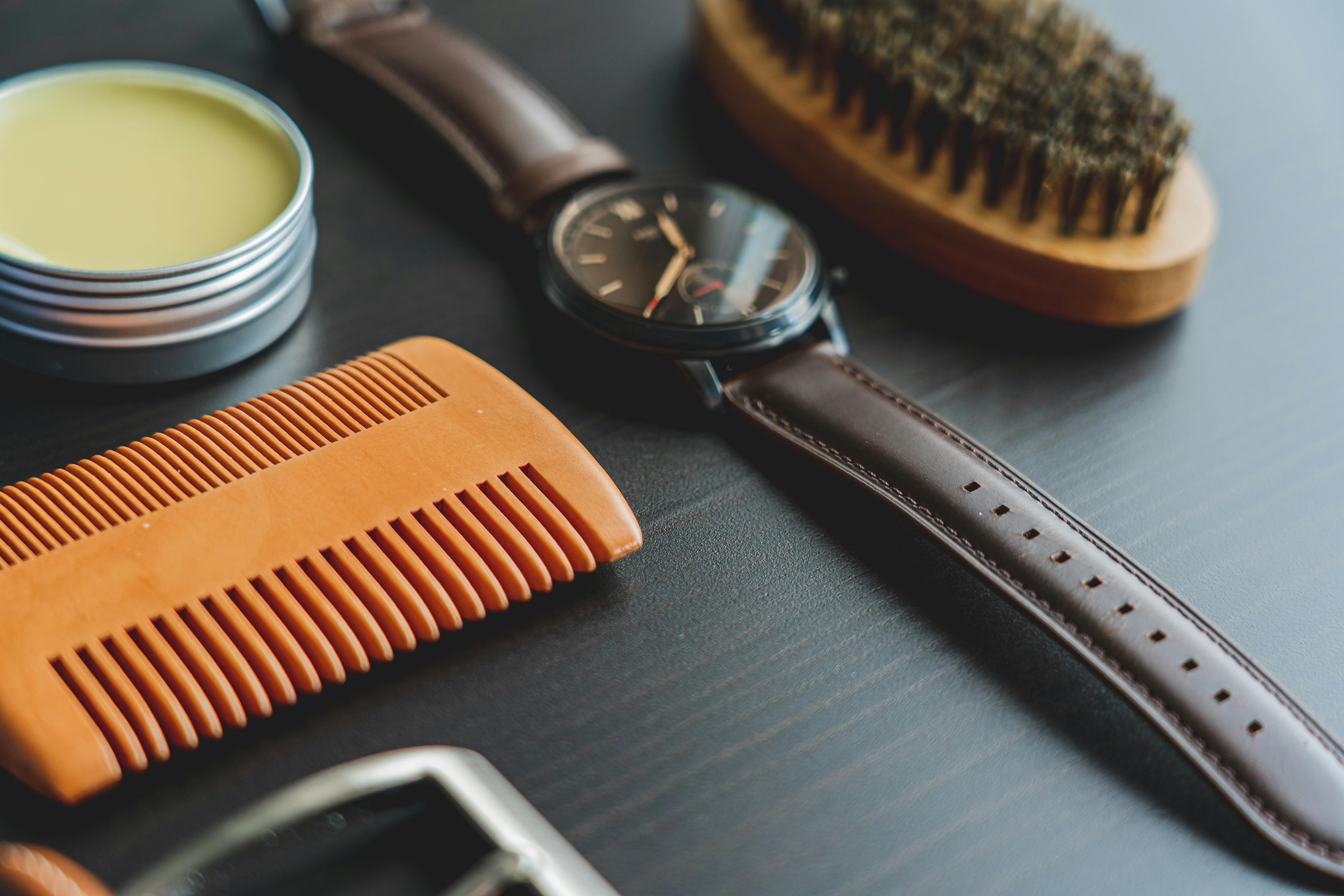
This is the actual reason beard oils and balms exist, since they supply lipids to both hair and skin in a form that penetrates the beard to reach the surface.
Shaving was doing something useful
A razor exfoliates as it passes, removing surface cells along with the hair, which keeps the outer layer thinner and more regularly renewed.
That effect disappears entirely when a beard is grown, so shed cells accumulate at the base of the hair rather than being scraped away every few days.
Gentle brushing serves a similar function, lifting loose material away from the skin and distributing oil along the length of the hair.
Why the first weeks are the worst
Newly growing hair still has a blunt cut tip and is short enough to press against the skin, which is the source of the itch during early growth.
As hairs lengthen they soften and move away from the surface, and the sensation usually settles without anything being applied.
Persistent redness, scaling or pustules under a beard are worth having assessed, since several distinct skin conditions present in that area and are managed differently.