
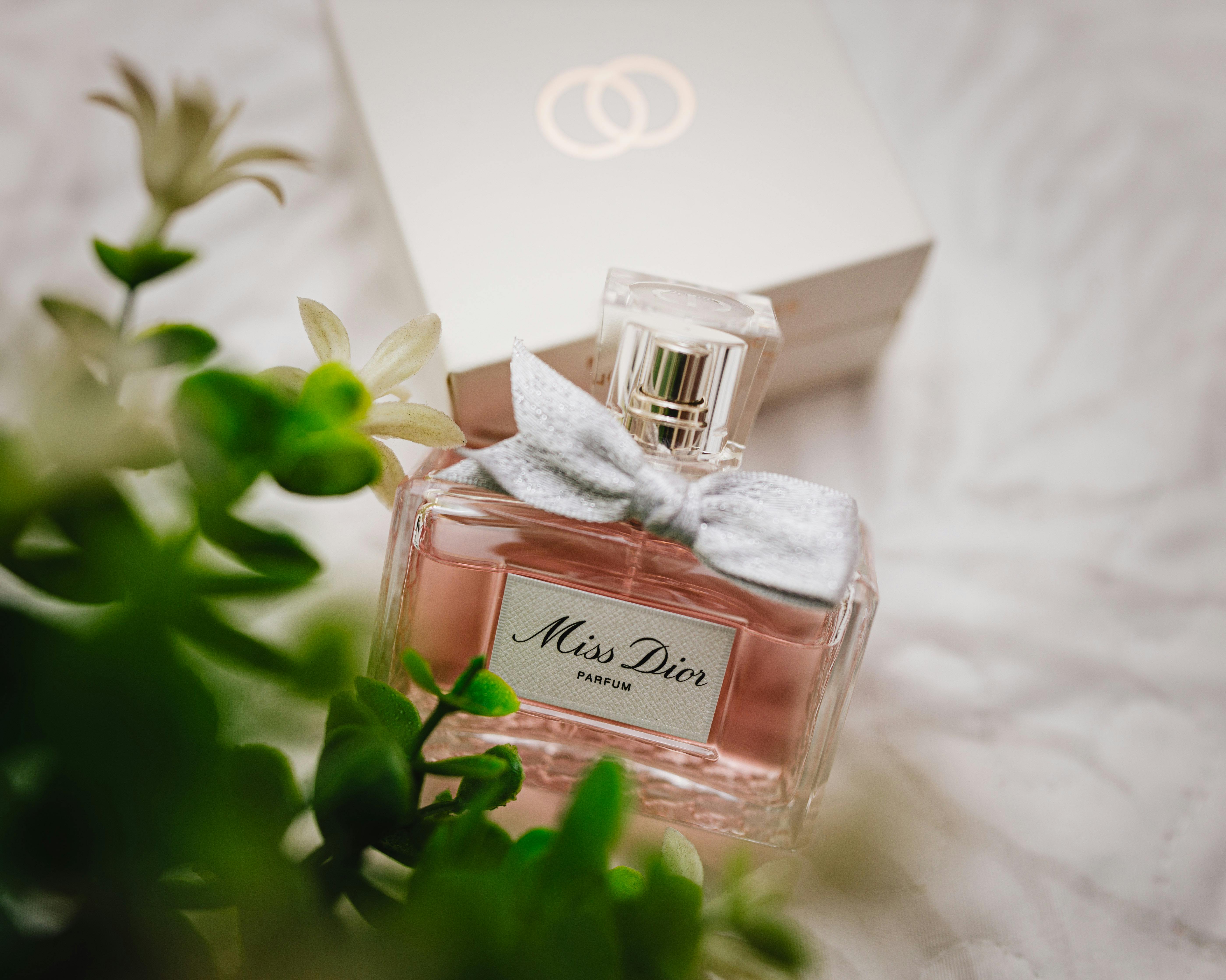
An ingredient list can run to thirty named substances and then finish with the single word fragrance. That one word may represent more materials than everything listed before it.
What the labeling rule permits
Cosmetic ingredient labeling in the United States requires substances to be declared, but it treats fragrance and flavor compositions as an exception to itemization.
The exemption exists because a scent formula is considered proprietary. Listing every component would publish the recipe to any competitor able to read a box.
The result is a legal shorthand: one declared term standing for a complete blend supplied to the manufacturer, often by a specialist fragrance house.
Why fragrance houses hold the formula
Most brands do not create their own scents. They brief a fragrance house, which develops the composition and supplies it as a finished oil.
The brand may never see the full formula. It receives safety documentation and regulatory declarations without the proportions that make the scent reproducible.
That arrangement is why a brand asked to disclose its fragrance components frequently cannot do so even when it wants to.
How allergens are handled differently elsewhere
The European Union requires a defined list of fragrance allergens to be named individually on the label once they exceed set concentrations in a product.
Because manufacturers often produce a single formulation for multiple markets, those allergen names sometimes appear on products sold in the United States as well.
Seeing terms such as limonene or linalool after the word fragrance is that European practice showing through, not a difference in the formula itself.
Why unscented and fragrance-free differ
Fragrance-free indicates that no fragrance material has been added for the purpose of scenting the product. It is a claim about intent and composition.
Unscented can mean a masking fragrance has been added to neutralize the raw odor of the base, producing a product that smells of nothing while containing fragrance.
Neither term is defined in binding regulation, so both function as marketing language whose reliability depends entirely on the individual manufacturer.
What this means for someone reacting
Identifying the specific trigger from a label is often impossible, which is the practical cost of the exemption for people with fragrance sensitivity.
Dermatologists address this with patch testing, applying standardized panels of common fragrance allergens to the skin and reading the response over several days.
That testing is the appropriate route for persistent rashes, hives or eczema that appears with cosmetic use, and it is not something a label can substitute for.