
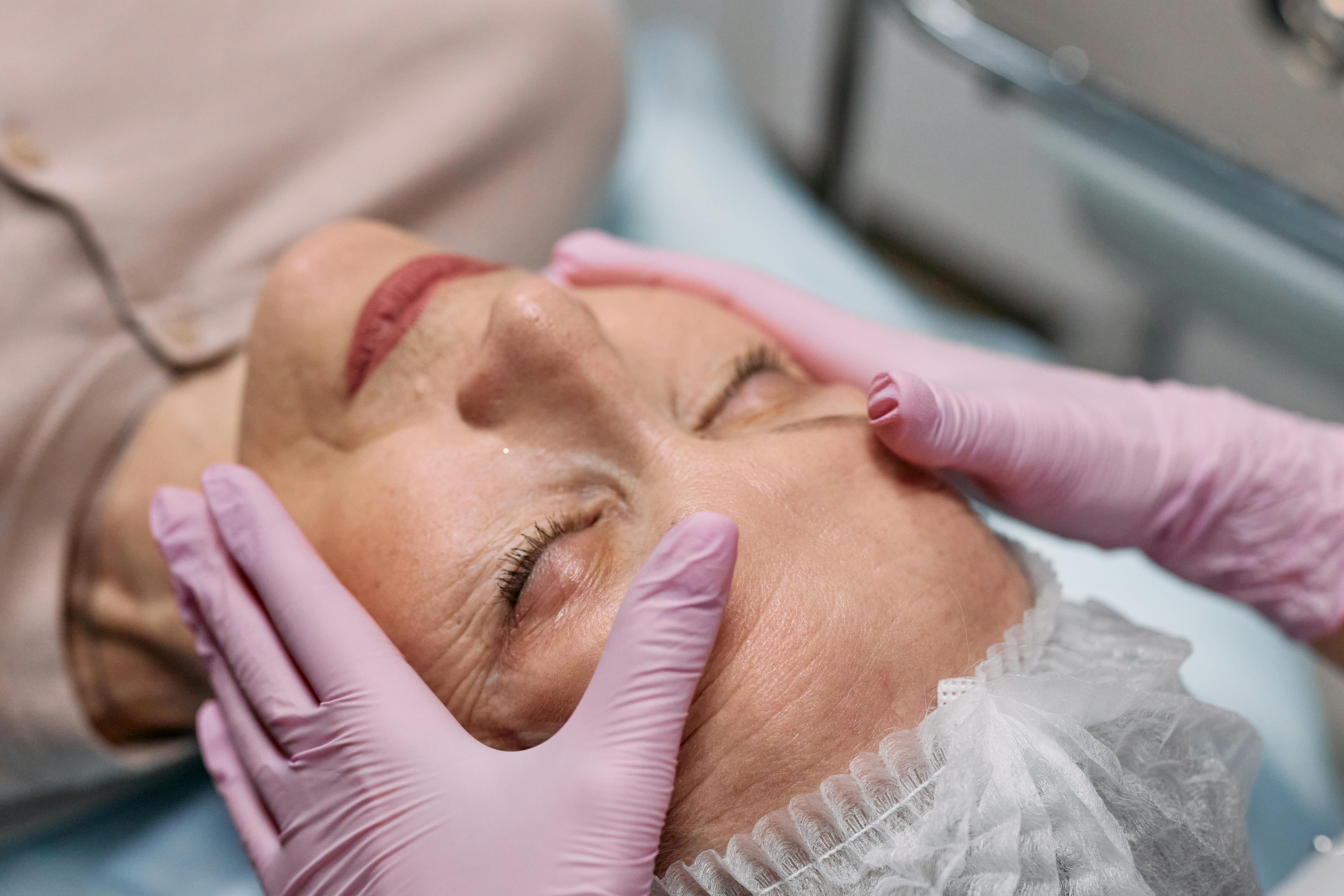
Hands frequently look older than the face above them, and the gap is wide enough to be noticeable. Several structural and behavioural factors point in the same direction.
The skin there is unusually thin
The skin on the back of the hand is among the thinnest on the body, with less subcutaneous fat beneath it than almost any other exposed area.
That fat layer is what keeps skin looking full, and where it is minimal to begin with, any loss shows immediately as visible tendons and veins.
Thin skin also shows changes in collagen and elasticity earlier, since there is less tissue above to mask what is happening underneath.
There are few oil glands to protect it
The back of the hand carries a low density of sebaceous glands, so it produces little of the lipid film that helps other areas retain water.
Without much natural oil, the outer layer dries faster and its barrier function is more easily disrupted by anything applied or encountered.
This is why hands feel tight and rough long before the face does under the same environmental conditions.
Exposure is close to constant
Hands are outside almost whenever a person is outside, and they are rarely covered even when the rest of the body is dressed for weather.
They also sit on the steering wheel, the desk near a window and the arm of a chair, accumulating light exposure that is never consciously registered.
Cumulative ultraviolet exposure drives most visible skin ageing, so an area receiving it continuously ages faster than one that is shaded or protected.
Water and detergent compound it
Handwashing, cleaning products and hot water all remove surface lipids, and hands undergo that cycle many times a day where other skin does not.
Each cycle requires the skin to rebuild its barrier, and frequent repetition means the rebuilding is never complete before the next exposure.
Persistent dryness, cracking or dermatitis on the hands is common in occupations involving frequent washing and is a medical matter rather than a cosmetic one.
Protection lags far behind the face
Sunscreen applied to the face is rarely extended to the hands, and any that is applied is washed off within an hour by ordinary handwashing.
Active skincare follows the same pattern, with retinoids, antioxidants and treatment products concentrated on the face and applied to hands only incidentally.
The practical consequence is that hands receive the highest exposure and the least protection of any commonly visible skin, which is enough to explain the difference on its own.