
Grooming ranges split by gender at almost every price point, and the differences between them are a mixture of genuine formulation choices and packaging decisions.
Skin thickness genuinely differs
Skin influenced by higher androgen levels tends to be thicker, with a denser collagen structure, which affects how it responds to actives and to physical treatment.
Thicker skin is generally more tolerant of stronger formulations, though it also means visible ageing appears later and then progresses more noticeably once it starts.
Formulators sometimes use this to justify higher active concentrations, though thickness varies far more between individuals than between broad categories.
Oil production runs higher
Sebaceous glands are larger and more active under higher androgen levels, so oiliness and pore visibility are more common concerns in men's ranges.
This shows up in the products as lighter textures, gel bases rather than creams, and more use of mattifying powders and oil-absorbing ingredients.
The same choices appear in ranges aimed at oily skin regardless of gender, which suggests the real variable is skin type rather than the category on the shelf.
Shaving drives much of the range
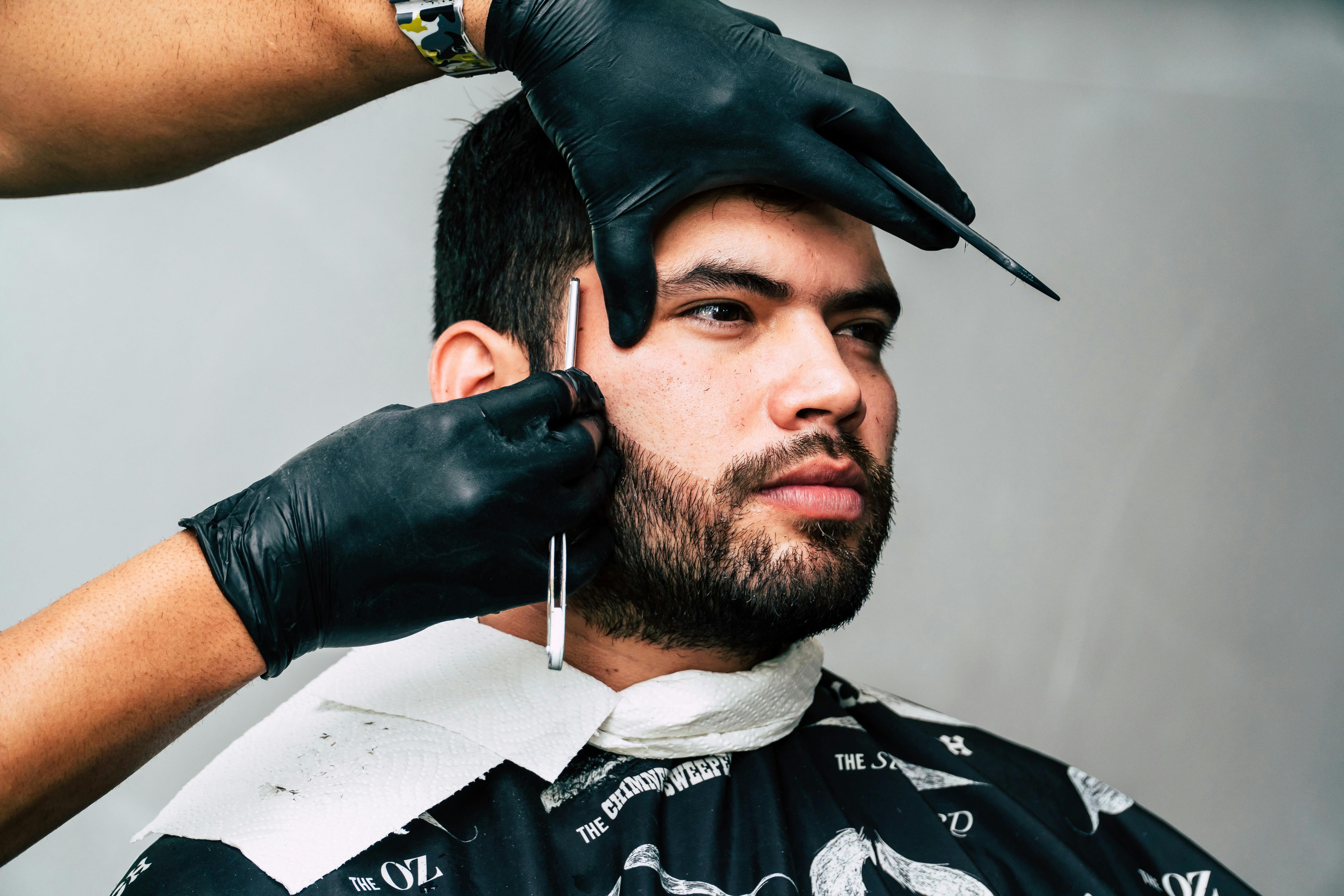
Regular facial shaving is a repeated mechanical exfoliation combined with the removal of surface lipids, and no equivalent routine exists in most other grooming regimes.
Products built around that fact include soothing post-shave formulas, ingredients aimed at reducing follicle inflammation, and lighter moisturisers that will not irritate freshly abraded skin.
This is the clearest example of a genuine formulation difference, because it responds to a specific and frequent physical process rather than to a demographic.
Fragrance and texture are the main marketing levers
Scent profiles differ sharply between ranges, with men's products leaning towards woody and aromatic accords, and this is a preference convention rather than a technical requirement.
Textures are often chosen to absorb quickly and leave no visible residue, reflecting an expectation of shorter routines rather than a difference in what skin needs.
Packaging follows the same logic, with darker colours and blunt naming, none of which affects what happens on the skin.
How to read across the aisle
The ingredient list and the texture describe what a product will do, and neither is constrained by which section of a shop it was displayed in.
Someone with dry skin is better served by a richer formula regardless of labelling, and someone with oily skin by a lighter one on the same reasoning.
The useful question is what the skin in front of you is doing, which is a more reliable guide than the category the product was assigned to.