
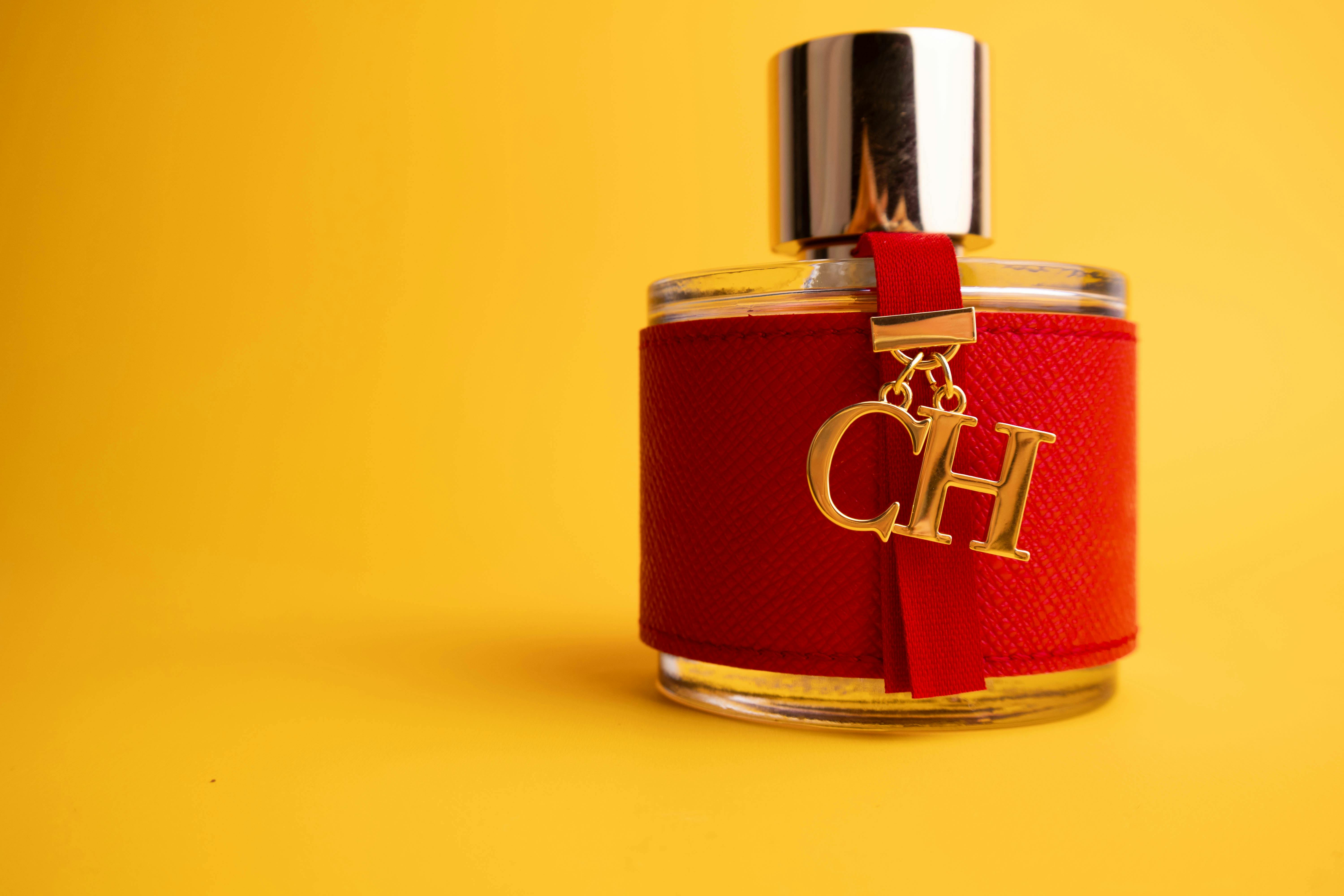
The scent that arrives at the first spray is not the scent that remains later in the day. This is designed behaviour, and it follows from basic physical chemistry.
Molecules evaporate at different speeds
A perfume is a mixture of many aromatic compounds dissolved in alcohol, and each compound has its own volatility determined largely by molecular weight and structure.
Light, small molecules leave the skin quickly and reach the nose in high concentration immediately. Heavier ones evaporate slowly and continue releasing for hours.
What you smell at any moment is whatever mixture happens to be evaporating then, and that mixture shifts continuously towards the heavier end.
The three-stage description is a simplification
The familiar language of top, heart and base notes describes this gradient by dividing it into rough bands rather than distinct stages.
Citrus and light aromatic materials dominate early because they are the most volatile. Florals and spices occupy the middle, and resins, woods and musks persist longest.
The transitions are gradual and overlapping. There is no moment when one stage ends, only a slow change in which components are still present.
Alcohol makes the opening misleading
The carrier alcohol evaporates almost immediately and carries a burst of everything with it, which is why the first seconds after spraying smell sharp and unrepresentative.
The scent settles once the alcohol has gone and only the aromatic materials remain on skin, which takes a few minutes rather than seconds.
Judging a fragrance in that opening window is the most common mistake in a shop, since it evaluates the phase that lasts the shortest time.
Skin participates in the reaction
Skin temperature drives evaporation rate, so warmer skin moves a fragrance through its progression faster and projects more strongly early on.
Surface oil holds heavier molecules more effectively, which is why the same perfume can last considerably longer on one person than another.
Skin acidity and the natural mixture of compounds on the surface add their own contribution, which is the real basis of the idea that perfume smells personal.
Why familiarity changes the experience
The nose adapts quickly to a constant stimulus, reducing sensitivity to a scent that has been present continuously for a period.
This is why a wearer stops noticing their own fragrance long before others do, and why reapplying based on personal perception leads to overapplication.
Testing several fragrances in succession runs into the same limit, since the sense of smell fatigues and later samples are judged against a dulled baseline.